Custom Stethoscope Design: A Practical Review
As a designer who spends more time staring at stitch simulations than actual fabric, I have developed a healthy skepticism toward generic medical-themed graphics. Most of them are cluttered, overly complex, or lack the visual hierarchy needed for clean embroidery. However, when I pulled up the Custom Stethoscope design files to evaluate them for an upcoming batch of nurse appreciation gifts, my initial reaction was one of relief. This is not just another clip-art dump; it is a considered piece of digital art that respects the limitations and strengths of the embroidery machine.
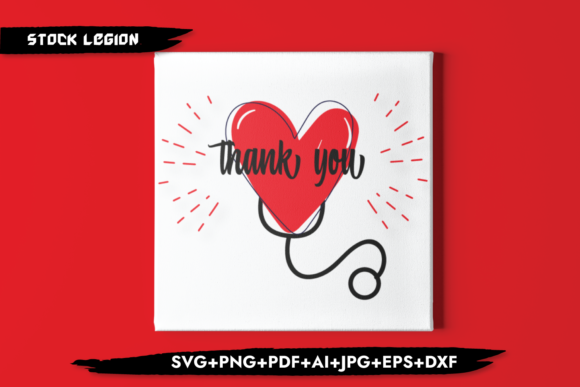
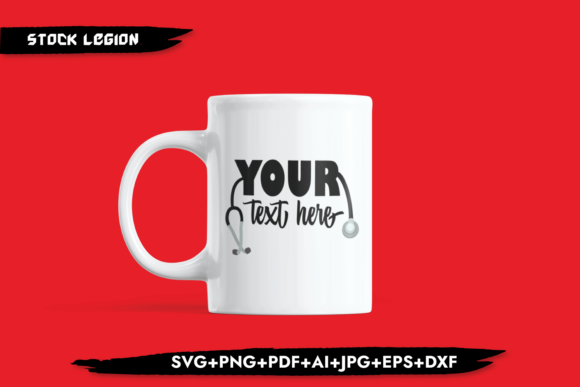
The first impression matters immensely in our line of work. When you open the file, you are looking at a graphic that balances professional recognition with approachable warmth. The layout is intuitive, featuring the iconic curves of the stethoscope tubing framing the central elements. For those of us in the Crafts and Graphics space, we know that simplicity often translates better to thread than it does to ink. This design understands that distinction. It avoids unnecessary noise, focusing instead on strong lines and clear shapes that will hold up under the needle.
Real-World Application: The Nurse Appreciation Tote
To truly test a design, you must imagine it in a real-life scenario. I recently worked with a local hospital auxiliary group that wanted personalized items for their annual volunteer recognition event. They needed something that felt professional yet personal, suitable for daily use. I chose to apply the Custom Stethoscope design to a heavy-duty canvas tote bag. This was a strategic choice. Tote bags offer a flat, stable surface that allows the design to breathe, showcasing the smooth curves without the distortion often found on curved surfaces like caps.
The result was striking. Because the design includes both the medical instrument and supportive text elements, it created a cohesive badge-like appearance on the front of the bag. The customers—nurses and doctors—reacted positively to the clarity of the image. It didn’t look like a cheap iron-on transfer; it looked like a deliberate, high-quality embroidered patch aesthetic, even though it was stitched directly onto the fabric. This kind of reaction is what builds trust in your craft business. When a client sees that the final product matches the digital preview, they return.
Performance Across Different Fabrics and Items
One of the strongest aspects of this machine embroidery design is its versatility. While I tested it on canvas, I can easily visualize it working well on other substrates. For sweatshirt embroidery, the design’s bold lines would stand out beautifully against fleece or cotton blends. The key here is the balance between detail and density. If a design is too dense, it creates a stiff, cardboard-like feel on soft garments. If it is too sparse, it lacks impact. This Custom Stethoscope file seems to hit that sweet spot, making it ideal for custom apparel where comfort is paramount.
I also considered its potential for baby embroidery projects. Imagine this design on a onesie or a burp cloth for a newborn whose parents are in the medical field. It serves as a cute, early introduction to the family profession. However, this requires careful scaling. The original file is optimized for a 6x6 hoop, which is generous. For baby items, you would need to scale it down significantly. This brings me to a crucial point about technical execution.
Technical Considerations for the Embroiderer
Before you load this digital embroidery file into your machine, there are several practical steps you must take. First, always check the stitch density. While the description notes that these cutting files have been tested at the highest quality, embroidery is a different beast than vinyl cutting. Dense areas, particularly where the stethoscope earpieces or chest piece might overlap with text, need to be inspected in your software. Look for potential thread breaks or puckering risks.
Second, consider your stabilizer choice. For a design of this nature, which likely utilizes a mix of satin stitch for outlines and fill stitch for larger areas, a cut-away stabilizer is often safer than tear-away, especially if the final product will be washed frequently. Nurses wash their scrubs and uniforms often. You want the design to survive dozens of cycles without unraveling or distorting the fabric.
Third, pay attention to thread colors. The design’s impact relies heavily on contrast. On a white lab coat or light blue scrubs, a dark navy or black thread will provide sharp definition. On dark navy scrubs, you might opt for white or silver threads. I recommend running a test stitch-out on scrap fabric of the same type and color as your final project. This allows you to adjust tension and trim any jump stitches before committing to the final finished product.
Navigating Limitations and Careful Use Cases
While this design is robust, it is not without its limitations. I would advise caution when using it on highly textured fabrics, such as terry cloth towels or thick knits. The fine details of the stethoscope tubing might get lost in the pile of the fabric. Similarly, avoid placing it on stretchy materials without proper hooping techniques and stabilizers, as the stretching can distort the circular elements of the design, making the stethoscope look oval or warped.
Another area of concern is small hoop sizes. The file is provided for a 6x6 area. If you attempt to shrink it drastically to fit a 4x4 hoop for a pocket logo, you risk losing legibility. Tiny lettering and intricate corners do not scale down well in embroidery. If you need a smaller version, it is better to find a simplified variant or simplify the design yourself in your editing software, removing non-essential details to maintain clarity.
Enhancing Brand Value and Customer Engagement
For Etsy sellers and small shop owners, the quality of your design assets directly influences your brand perception. Using a polished, professional graphic like Custom Stethoscope elevates your small shop product from a homemade craft to a boutique-quality item. It signals to the buyer that you care about details. This attention to detail fosters customer loyalty and encourages positive reviews, which are the lifeblood of online marketplaces.
Furthermore, this design works exceptionally well for holiday embroidery gifts. Think of Christmas ornaments for healthcare workers or Valentine’s Day gifts for med students. The theme is evergreen, but the application can be seasonal. By pairing this graphic with festive thread colors or complementary motifs, you can create a wide range of products from a single design asset.
Final Verdict and Licensing Notes
In conclusion, the Custom Stethoscope design is a solid addition to any embroidery designer’s library. It offers a clean, professional aesthetic that translates well to various embroidery projects, from tote bags to sweatshirts. Its strength lies in its clarity and balanced composition, which minimizes common stitching issues while maximizing visual appeal.
However, remember that owning the file does not automatically grant unlimited commercial rights. Always verify the licensing terms included in the ZIP file. Some creators allow unlimited sales of physical items, while others may restrict digital redistribution or require attribution. Confirm these details before listing your personalized gift items for sale. Additionally, since the package includes one ZIP file with smooth professional files, ensure your machine software can read the specific formats provided. If you are unsure, convert them to your preferred format using reliable software before starting your production run.
By treating this graphic with the technical respect it deserves—proper stabilizing, thoughtful thread selection, and appropriate fabric choices—you can create stunning, durable products that healthcare professionals will be proud to wear and use. It is a tool that, when used correctly, enhances both your portfolio and your customer’s experience.